

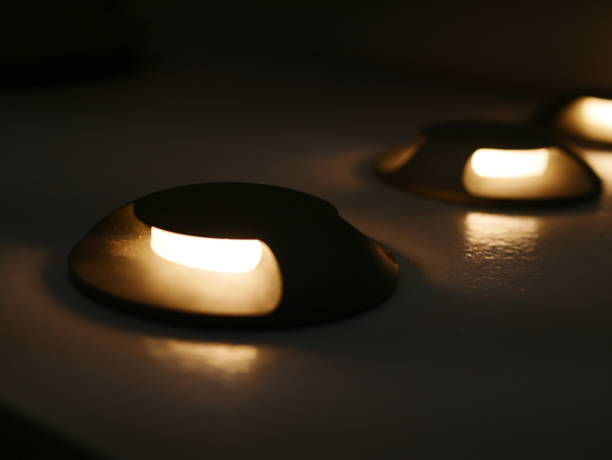
Luxury outdoor living in Los Angeles is no longer defined only by premium stonework, infinity pools, and architectural landscaping. Today, sophisticated lighting design has become one of the most important elements in creating upscale estate environments that feel modern, functional, and resort-inspired after sunset.
Across high-end neighborhoods in Los Angeles, homeowners are increasingly investing in invisible LED lighting systems integrated directly into hardscape structures. Instead of relying on bulky landscape fixtures or exposed pathway lights, designers now conceal illumination beneath paver coping, inside retaining walls, and under floating stair treads to produce subtle architectural glow effects.
This modern approach to hardscape lighting enhances safety, improves nighttime usability, and creates dramatic visual depth without exposing the light source itself.
Why Invisible LED Lighting Is Popular in Los Angeles Estates
Southern California outdoor living spaces are designed for year-round use. From Beverly Hills hillside estates to contemporary homes in the Hollywood Hills and coastal properties in Malibu, outdoor environments function as extensions of the home itself.
Traditional landscape lighting often creates glare, visual clutter, or inconsistent illumination. Sub-surface and undermount LED systems solve these issues by hiding fixtures within the hardscape construction.
Benefits include:
- Clean architectural aesthetics without visible fixtures
- Luxury resort-style ambiance
- Enhanced safety on stairs and elevation changes
- Energy-efficient low-voltage operation
- Long lifespan with minimal maintenance
- Better zoning of outdoor entertainment areas
- Improved property value and curb appeal
In Los Angeles luxury landscape design, subtle lighting is often more impactful than overly bright installations. The goal is to define textures, elevations, and movement throughout the property while preserving a calm nighttime atmosphere.
Sub-Surface LED Installation in Retaining Walls
Retaining walls are a major architectural feature in many Los Angeles hillside properties due to sloped terrain and elevation management requirements. Integrating sub-surface LED lighting directly into retaining walls creates layered illumination that highlights both structure and landscape contours.
Core Installation Method
Sub-surface LEDs are typically recessed into channels or cavities built directly into masonry, concrete, or stone retaining walls. The fixtures remain hidden while the emitted light washes downward or outward across surrounding surfaces.
Professional installers commonly use:
- Aluminum LED channels with diffusers
- IP67 or IP68 waterproof LED strips
- Low-voltage 12V or 24V systems
- Integrated drainage solutions
- Concealed wiring conduits inside wall cavities
For Los Angeles estates, warm white LEDs between 2700K and 3000K are frequently selected because they complement natural stone, travertine, porcelain pavers, and modern concrete finishes.
Best Locations for Retaining Wall Lighting
- Beneath wall caps
- Inside vertical wall reveals
- Under bench seating integrated into walls
- Along planter retaining edges
- Behind floating architectural stone panels
These lighting placements create visual separation between entertainment zones, pathways, and landscape features while maintaining a seamless appearance.
Undermount LEDs Beneath Paver Coping
One of the most sought-after lighting techniques in luxury Los Angeles hardscape design is undermount LED installation beneath coping materials.
This technique produces a floating light effect where illumination appears to emerge naturally from beneath the hardscape surface.
Common Applications
- Pool coping illumination
- Outdoor kitchen counters
- Seat wall overhangs
- Fire pit surrounds
- Raised patio transitions
- Driveway edge accents
Because the LED strip remains completely hidden beneath the coping overhang, the lighting effect feels soft and architectural rather than decorative.
Technical Considerations
Proper undermount LED installation requires careful planning during hardscape construction.
Critical factors include:
- Creating adequate recess depth for fixture concealment
- Ensuring thermal ventilation for LED longevity
- Using waterproof connectors and sealed junction boxes
- Preventing water intrusion behind coping materials
- Allowing maintenance access where possible
In Los Angeles, where outdoor entertaining spaces often include pools and expansive patios, undermount lighting helps establish luxury hospitality-style environments similar to high-end resorts and boutique hotels.
Illuminated Step Treads for Safety and Architectural Drama
Modern estates throughout Los Angeles frequently incorporate floating stair systems, oversized concrete treads, and multi-level outdoor transitions. Integrating LED lighting beneath step treads enhances both safety and aesthetics.
How Step Tread Lighting Works
LED fixtures are concealed underneath the lip of each stair tread, directing light downward onto the step below. This creates evenly illuminated walking surfaces without exposing visible bulbs or fixtures.
The result is:
- Reduced trip hazards
- Improved nighttime navigation
- Elegant floating stair appearance
- Enhanced visibility without harsh glare
Materials Commonly Used in Los Angeles Projects
- Poured architectural concrete
- Natural limestone
- Travertine
- Porcelain pavers
- Ipe wood stair systems
- Steel-framed floating staircases
For coastal Los Angeles properties, corrosion-resistant aluminum channels and marine-grade connectors are especially important due to salt air exposure.
Creating Hardscape Lighting Zones
One of the primary goals of invisible lighting design is zoning. Large Los Angeles estates often contain multiple outdoor environments including lounges, dining spaces, pool decks, gardens, and entertainment patios.
Integrated LED systems help define these areas without physical barriers.
Examples of Lighting Zones
- Soft perimeter lighting around lounge patios
- Under-cap illumination for seating walls
- Guided pathway lighting through gardens
- Accent lighting around water features
- Subtle stair illumination between elevations
- Pool coping glow for nighttime ambiance
By layering these elements together, designers create smooth visual transitions across the property while maintaining a cohesive architectural style.
Smart Lighting Controls for Luxury Estates
High-end Los Angeles properties increasingly integrate smart outdoor lighting controls into full home automation systems.
Invisible LED systems can be connected to:
- Lutron outdoor lighting systems
- Control4 automation
- DMX lighting controllers
- Wi-Fi enabled transformers
- Mobile app scheduling systems
- Astronomical timers and photocells
This allows homeowners to adjust brightness levels, automate evening scenes, and create customized lighting modes for entertaining, relaxation, or security.
Weather and Environmental Considerations in Los Angeles
While Southern California has a relatively mild climate, outdoor lighting systems still face environmental challenges including UV exposure, irrigation moisture, pool chemicals, and coastal salt air.
Professional installers should always use:
- UV-resistant wiring
- Outdoor-rated LED drivers
- Waterproof aluminum channels
- Silicone-sealed connectors
- Corrosion-resistant mounting hardware
Proper drainage planning is especially important when integrating lighting beneath pavers, retaining walls, or coping systems.
The Future of Luxury Hardscape Lighting in Los Angeles
As modern estate architecture continues evolving throughout Los Angeles, invisible lighting systems are becoming a defining feature of premium outdoor design. Homeowners increasingly want outdoor spaces that feel sophisticated, immersive, and architecturally clean without visible technology interrupting the environment.
Sub-surface and undermount LED installations achieve exactly that balance. By integrating lighting directly into retaining walls, stair systems, and paver coping, luxury properties gain dramatic nighttime ambiance while preserving minimalist aesthetics.
For Los Angeles estates focused on modern outdoor living, invisible hardscape lighting is no longer simply an upgrade — it has become an essential component of high-end landscape architecture.