

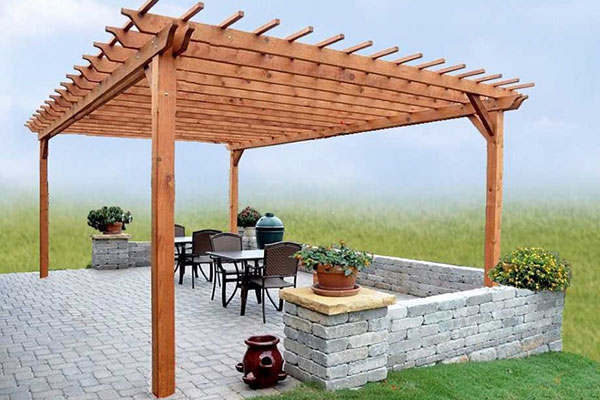
If you live in Newport Beach or anywhere in LA’s South Bay, you know your backyard can feel like an extra living room when the weather cooperates—which is almost all year long. The right pergola or gazebo turns that sun-drenched patio into a comfortable, shaded retreat that looks amazing and works hard for your lifestyle.
Pergola vs. Gazebo: What Is the Difference?
Before you start sketching designs or calling contractors, it helps to understand the basic difference between a pergola and a gazebo. Both structures add shade, style, and value to coastal Southern California homes, but they do it in slightly different ways.
A pergola is usually an open, airy structure with four posts and a slatted or louvered roof. It creates filtered shade and frames an outdoor room without closing it in, which makes it a favorite in warmer climates and along the coast where you want breezes to flow through. Pergolas are ideal for outdoor dining areas, lounge seating, poolside cabanas, and garden walkways.
A gazebo, on the other hand, is more enclosed. It typically has a solid roof, a defined shape such as octagonal or rectangular, and sometimes low walls, railings, or screens. Gazebos provide complete shade and better protection from light rain and wind. In Newport Beach and the South Bay, gazebos are often used as covered outdoor living rooms, spa shelters, or quiet garden getaways.
In simple terms, a pergola is about openness and flexibility, while a gazebo is about shelter and a more room-like feel. Choosing between them depends on how you use your yard, how much shade you need, and the design language of your home.
Designing for Newport Beach & South Bay Lifestyles
Coastal Orange County and the South Bay each have their own vibe, but both areas share some common themes: plenty of sun, sea breezes, and an outdoor-focused lifestyle. Your pergola or gazebo should work with those conditions, not fight them.
In Newport Beach, many homes feature contemporary architecture, stucco exteriors, and clean lines. A slim, modern pergola with a flat profile, painted wood or aluminum posts, and a louvered roof system fits naturally with this style. You can align the structure with your pool, outdoor kitchen, or sliding glass doors to create a seamless indoor-outdoor transition.
In the South Bay—Manhattan Beach, Redondo, Hermosa, and surrounding communities—lots are often compact but highly valuable. Here, every square foot of usable outdoor space matters. A well-planned pergola can carve out a true “room” on a small deck or patio, while a slightly elevated gazebo can take advantage of ocean or city views on a sloped lot. Built-in benches, planters, and storage can help you maximize function in a tight footprint.
Because both areas are close to the ocean, salt air, humidity, and UV exposure are real factors. Coastal conditions should guide your material choices so the structure looks good for years instead of just a couple of seasons.
Choosing the Right Materials for Coastal Conditions
The materials you choose for your pergola or gazebo matter just as much as the design. In Newport Beach and the South Bay, you need a structure that stands up to sun, salt, and occasional strong winds while still matching your home’s style.
Wood is a classic choice and remains popular for its warmth and natural feel. Cedar and redwood are naturally resistant to decay and insects, and they take stain beautifully, which is helpful when you want to coordinate with existing decks or fences. However, wood will need regular maintenance in coastal zones, including sealing, staining, and occasional repairs.
Aluminum and powder-coated steel pergolas are increasingly common in modern backyards. They resist rust better, especially when treated or coated appropriately, and they pair well with contemporary architecture. If you prefer a clean, minimal look with less ongoing maintenance, a metal pergola or gazebo frame might be a smart investment.
Vinyl and composite materials are another low-maintenance option. These systems are often prefabricated kits with posts, beams, and roof components designed to lock together on-site. They do well in salty air and require very little upkeep beyond occasional cleaning. The tradeoff is that they may have more limited design flexibility compared with fully custom wood or metal builds.
For the roof, solid structures like gazebos commonly use shingles to match the house, standing seam metal for a modern look, or polycarbonate panels that let filtered light in while blocking UV. Pergolas may have open rafters, adjustable louvers, fabric canopies, or even integrated retractable shade systems.
Planning, Permits & Structural Considerations
Even if a pergola looks light and simple, it is still a major structure in your yard. In many parts of Orange County and Los Angeles County, you will need to confirm setback rules, height restrictions, and permit requirements before you start construction.
The first step is to decide where the structure will sit. Think about sun angles at different times of day, prevailing breezes, and how you move through your yard. In Newport Beach, you might want to frame your view of the harbor, channel, or pool. In the South Bay, you may be trying to block a neighbor’s second-story window while still catching ocean breezes.
Next, consider the foundation. Freestanding pergolas and gazebos typically require footings or piers below each post to prevent settling and movement. On an existing patio, posts may be anchored to concrete with structural brackets. Coastal wind loads also matter; a poorly anchored shade structure can be damaged or become a hazard in strong gusts.
Local building officials or a structural engineer can help determine the right footing depth and post size for your specific site conditions. For many homeowners, this is where a professional pergola and gazebo contractor becomes invaluable—they know local codes, HOA expectations, and how to design for both safety and durability.
Finally, think ahead about utilities. If you plan to run lighting, fans, infrared heaters, or speakers in your pergola or gazebo, you will need electrical conduit, wiring, and junction boxes designed for outdoor use. Planning this early prevents unnecessary demolition or exposed wires later.
Design Features That Transform Your Shade Structure
The difference between a basic pergola and a truly transformative backyard feature usually comes down to the details. Once the posts and roof are planned, you can customize the structure to match how you actually live.
For dining-focused pergolas, make sure the footprint is large enough for a full-size table and comfortable clearance around chairs. Incorporate string lights, recessed fixtures, or integrated LED strips into beams for ambient lighting that feels warm, not harsh. If your Newport Beach home faces west, consider a combination of overhead louvers and a side screen or shade to block intense late-afternoon sun.
For lounge and poolside gazebos, built-in benches, cushioned seating, and low tables help the space feel like an outdoor living room. You can add privacy curtains, sliding screens, or glass windbreaks on the sides facing neighboring homes or streets. In the South Bay, where lots can be close together, these elements can make a big difference in how relaxing the space feels.
Greenery also plays a huge role. Pergolas are perfect for supporting climbing plants such as bougainvillea, jasmine, or wisteria, which thrive in Southern California. Over time, they create a living canopy that softens the structure and adds seasonal color. Planter boxes at the base of posts, integrated into the design, can help manage roots and irrigation while protecting your hardscape.
Finally, consider multi-season comfort. Ceiling fans, outdoor-rated heaters, and even misting systems can extend the use of your pergola or gazebo from cool evenings to hot summer afternoons. The more comfortable the space, the more you and your guests will use it.
DIY or Hire a Pro?
Some homeowners are confident tackling a small pergola as a weekend project, especially when using a well-designed kit. If you are building a simple, freestanding structure on a flat concrete pad and you are comfortable with tools, this might be a realistic option.
However, for many Newport Beach and South Bay properties, conditions are more complex. Sloped yards, tight side setbacks, existing pools, and HOA design reviews can make a custom design and professional installation the smarter choice. A qualified contractor can handle structural calculations, permitting, and precise installation so the pergola or gazebo is safe, square, and built to last.
Professionals can also integrate your shade structure into a larger outdoor living plan—tying it into new hardscape, outdoor kitchens, fire features, and landscaping. That comprehensive approach often creates a more cohesive, high-end look and can boost your home’s value and resale appeal.
Ultimately, the right path depends on your budget, timeline, and comfort level. Just remember that a pergola or gazebo is a long-term investment in your property; cutting corners on structure or materials may cost more in repairs and replacements down the road.
Ready to Transform Your Backyard?
A well-designed pergola or gazebo can completely change the way you experience your Newport Beach or South Bay backyard. Instead of avoiding the midday sun or retreating indoors when the wind picks up, you gain a comfortable, shaded destination that works from morning coffee through sunset gatherings.
Whether you envision a sleek, modern pergola framing your ocean view or a cozy gazebo tucked into a lush garden corner, the key is thoughtful planning, the right materials, and solid construction. Start by clarifying how you want to use the space, then work with a trusted local pergola and gazebo builder to bring that vision to life.
When your shade structure is done right, your backyard stops being just something you look at through the window—and becomes a true extension of your Southern California home.