Home » The 2026 Guide to Garage ADU Conversions in Los Angeles County: Costs, Rules, and ROI
Get Your Free Estimate
Fill out the form below. We reply within 24 hours.
ON THIS PAGE
- ADU Installation
The 2026 Guide to Garage ADU Conversions in Los Angeles County: Costs, Rules, and ROI
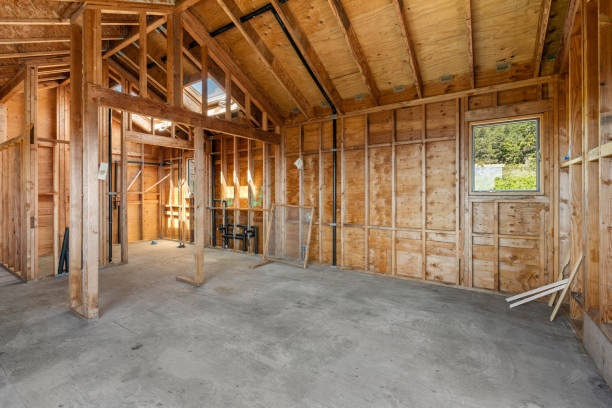
Los Angeles homeowners are sitting on a goldmine, and it’s likely filled with old boxes and parked cars.
As housing inventory remains tight across the Southland, the Garage Accessory Dwelling Unit (ADU) has emerged as the most efficient way to add value to a single-family property. Unlike building a ground-up detached unit, converting an existing garage utilizes your current structure, often saving time and tens of thousands of dollars in construction costs.
However, the path from "dusty garage" to "income-generating rental" is paved with complex zoning codes, Title 24 energy requirements, and strict permitting timelines. This guide provides a deep, transparent look at the Los Angeles County market for garage conversions in 2026, breaking down costs, new state laws, and the exact steps to get your project approved.
Why the Garage Conversion is LA’s Best ROI
Real estate in Los Angeles County is priced at a premium per square foot. When you convert a 400-square-foot garage into livable space, you are essentially "printing" equity.
1. The Numbers: Cost vs. Value
The math is straightforward. In 2025, the average cost to build a detached ADU from scratch in LA hovered around $350–$450 per square foot. In contrast, garage conversions typically cost between $200–$300 per square foot.
- Lower Structural Costs: You already have a foundation, framing, and a roof. While these often need retrofitting, starting with a shell is significantly cheaper than pouring a new slab.
- Utility Connections: Garages are usually closer to the main house’s sewer and electrical lines than a backyard unit, reducing trenching costs.
2. Immediate Rental Income
The rental market in LA is relentless. A well-finished studio ADU (approx. 400 sq. ft.) in the San Fernando Valley or Long Beach can command $1,800 to $2,300 per month. In premium areas like Santa Monica or Pasadena, that number can easily exceed $3,000.
Most homeowners find that the rental income covers the loan payment for the construction financing and generates positive cash flow immediately.
3. No Replacement Parking Required
A major hurdle was removed a few years ago: You do not need to replace the parking spaces you lose. If you convert your garage, you are not required to build a new carport or pave your front lawn. This state mandate overrides local ordinances, making conversions feasible on tight lots where building a new garage would be impossible.
2025/2026 Regulations: What Changed?
California state laws have aggressively favored ADU construction, and Los Angeles County has had to align its ordinances accordingly. Three critical updates affect your project right now:
- AB 1332 (Pre-Approved Plans): As of 2025, cities must have a program for pre-approved ADU plans. If you use a standard layout that the city has already vetted, the "plan check" phase—which historically dragged on for months—can be cut down significantly. This mandates that local agencies approve or deny compliant applications within 60 days.
- AB 976 (No Owner-Occupancy): Permanent removal of owner-occupancy restrictions means you do not need to live in the main house to rent out the ADU. This is a massive win for investors who own rental properties; you can now rent both the main house and the garage ADU to separate tenants legally.
- SB 1211 (Multifamily Flexibility): For those owning duplexes or small apartment buildings, SB 1211 (effective 2025) allows for more flexibility in adding detached ADUs or converting carports/garages without replacing parking.
The Real Cost of a Garage ADU in Los Angeles (2026 Estimates)
Homeowners often see "garage conversion" and assume it’s a $30,000 drywall job. This is a dangerous misconception. A legal ADU requires the same permits, insulation, and safety standards as a primary residence.
Here is a realistic budget breakdown for a standard 400 sq. ft. two-car garage conversion in LA County.
| Cost Category | Estimated Range | Notes |
|---|---|---|
| Design & Architecture | $6,000 - $12,000 | Includes floor plans, elevations, and Title 24 energy calculations. |
| Permits & City Fees | $3,000 - $7,000 | Varies by city (e.g., LA City vs. Santa Clarita vs. Long Beach). |
| Structural Retrofitting | $5,000 - $15,000 | Reinforcing old foundations and framing; deeper footings are often needed. |
| Rough Construction | $40,000 - $60,000 | Framing, plumbing rough-in, electrical wiring, HVAC installation. |
| Utility Trenching | $3,000 - $8,000 | Connecting sewer, water, and upgrading the electrical panel. |
| Finishes & Fixtures | $25,000 - $45,000 | Flooring, cabinets, appliances, windows, doors, painting. |
| Total Estimated Cost | $82,000 - $147,000 | Expect $200 - $350 per sq. ft. |
Step-by-Step Guide to the Conversion Process
Converting a garage is not a weekend DIY project. It involves a strict sequence of approvals.
Phase 1: Feasibility and Site Assessment
Before hiring an architect, check the basics. Many garages in LA built in the 1950s sit on a "slab on grade" with no footings. You will likely need to dig under the edges and pour concrete footings to support the new load of a habitable structure. Also, check your setbacks; while state law allows 4-foot setbacks, existing structures are grandfathered in only if you don't expand the footprint.
Phase 2: Design and Title 24
Your designer must create a floor plan that maximizes limited space. This includes Title 24 energy standards (rigid insulation, high-performance windows) and fire safety measures if the garage is close to the property line.
Phase 3: Permitting (Plan Check)
Submit your plans to the local building department (LADBS or LA County Public Works). With the new 60-day rule, this is faster, but expect corrections regarding Green Building codes and fire safety.
Phase 4: Construction
Once the permit is pulled, the work begins: demolition, trenching for sewer lines, framing the new infill wall, running systems, insulation, and finally, the high-end finishes that attract premium tenants.
Solving the "Box" Problem: Design Tips
A typical two-car garage is a 20x20 box. Without smart design, it feels like a dorm room. Here is how we make them feel like luxury suites:
- Vault the Ceilings: Most garages have open rafters. Instead of a flat drywall ceiling at 8 feet, insulate the roofline and vault the ceiling to the ridge beam.
- The Garage Door Infill: Don’t just wall it off. Use a large picture window or French doors in the opening where the garage door used to be to flood the unit with natural light.
- Washer/Dryer: Use a stackable unit tucked into a bathroom closet. In-unit laundry is a premium feature that differentiates your rental.
Frequently Asked Questions
Let's Build Something Lasting
Stop searching and start building. If you are ready to secure your home and boost your curb appeal, let’s talk. We are currently booking for the 2026 season.